
with Mari Minto, Senior Audio Director, DICE
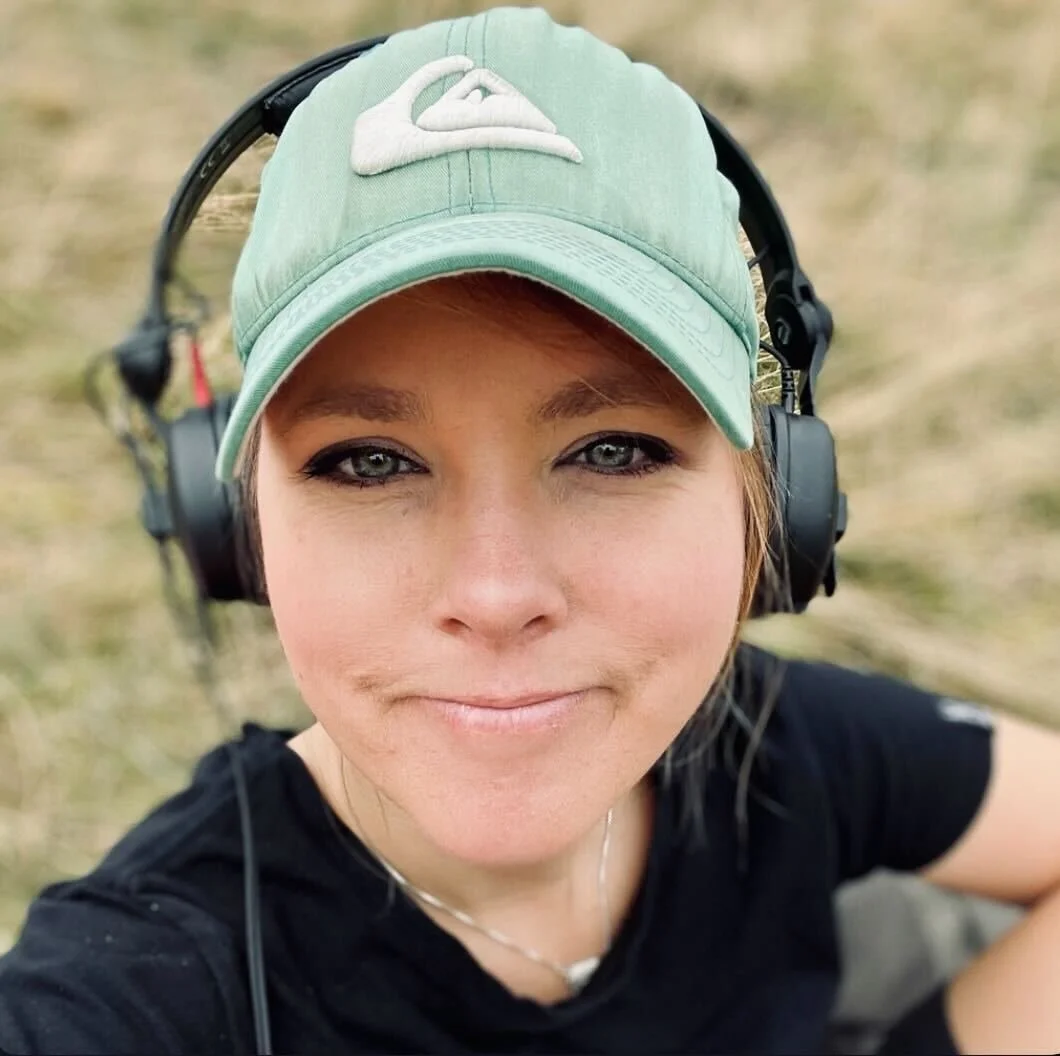
I still remember stepping into the DICE studio for the first time in 2008.
I was a sound design intern, coming straight from studying film sound at Dramatiska Institutet in Stockholm, and I had no idea where this path would lead. My first assignment was to work on trailers for Battlefield: Bad Company. More specifically I had to edit these video diaries the Single Player characters made, and I had to make them sound like they were recorded by the characters themselves on an old camcorder.
I had to create that layer of believability, make the sound feel embedded in the visual, as if it were captured live. It was a small task, but it taught me something that’s stayed with me ever since: sound isn’t just heard, it’s felt. It carries a story.
Since then, I’ve touched and worked across just about every aspect of audio in our games. Everything from ambiences, destruction, voice-over work - to narrative sound design in our Single Player campaigns or building living, breathing, soundscapes in multiplayer. With my background in film, I’ve always approached sound as storytelling. For me there’s a narrative hidden in each element, whether it’s the subtle decay of a gunshot or the way footsteps echo in an abandoned hallway. Each sound has a beginning, middle, and end. Understanding how it behaves, how it resonates in the real world, is what makes it believable. That is when it becomes believable.
When it comes to designing immersive audio, I lean on two things: imagination and research. Imagination is the starting point. I try to put myself in the boots of the soldier; what do they feel, hear, carry? I imagine what it feels like having all that gear on, how your boots feel on your feet and what the surface feels like beneath them. How heavy is the weapon you are holding? You lift and fire it, how does it reflect in the environment you are in? You have to look and imagine the world around you, through the eyes of the soldier. What is the weather like? Is it hot, cold? How windy is it? What birds, animals or insects are present if you´re standing in a forest? How does the sound of the wind move through the trees and foliage? Or if you´re in a city, looking down a street, what sounds do you hear close to you and afar? What does the wind move, and rattle? A tank rolls in on the street, how does the sound change in volume and frequencies as it moves towards you from behind the building? You draw a breath. What does that sound like through the ears of the soldier? These tiny moments, these layers, they all matter.
Then comes the research. There are two types. Most of us haven’t experienced real war, but we’ve absorbed countless portrayals of it through film, TV, news footage, social media, etc. These shape what players expect war to sound like and become the “truth” we consume. The second is rooted in reality and how everyday sounds - like a construction site or thunder - impact us as humans. What physical impact does it have on us? How does sound behave in the real world? A loud sound doesn’t just fill the air, it hits your chest and makes your ears ring. All these impressions, experiences, and facts are taken into account as we start collecting and choosing the content for our games. These details ground the sound in something real and become our raw, gritty, and immersive sounding Battlefield experience.
To capture these sounds in the most realistic way we turn to recording sessions. In fact, some of my most memorable moments have been during these recording sessions. Every time we go out into the field, I learn something new. It can be how a weapon echoes through a canyon, or how the angle of a tank’s movement shifts the frequencies you hear. Sometimes it’s about how different people listen, what catches one person’s ear might not register for someone else. These experiences spark ideas on how we can improve the sounds for our games - how we capture these moments and these “impressions” and “experiences” with our microphones and how we translate them to in-game sound with the hardware and software available to us.
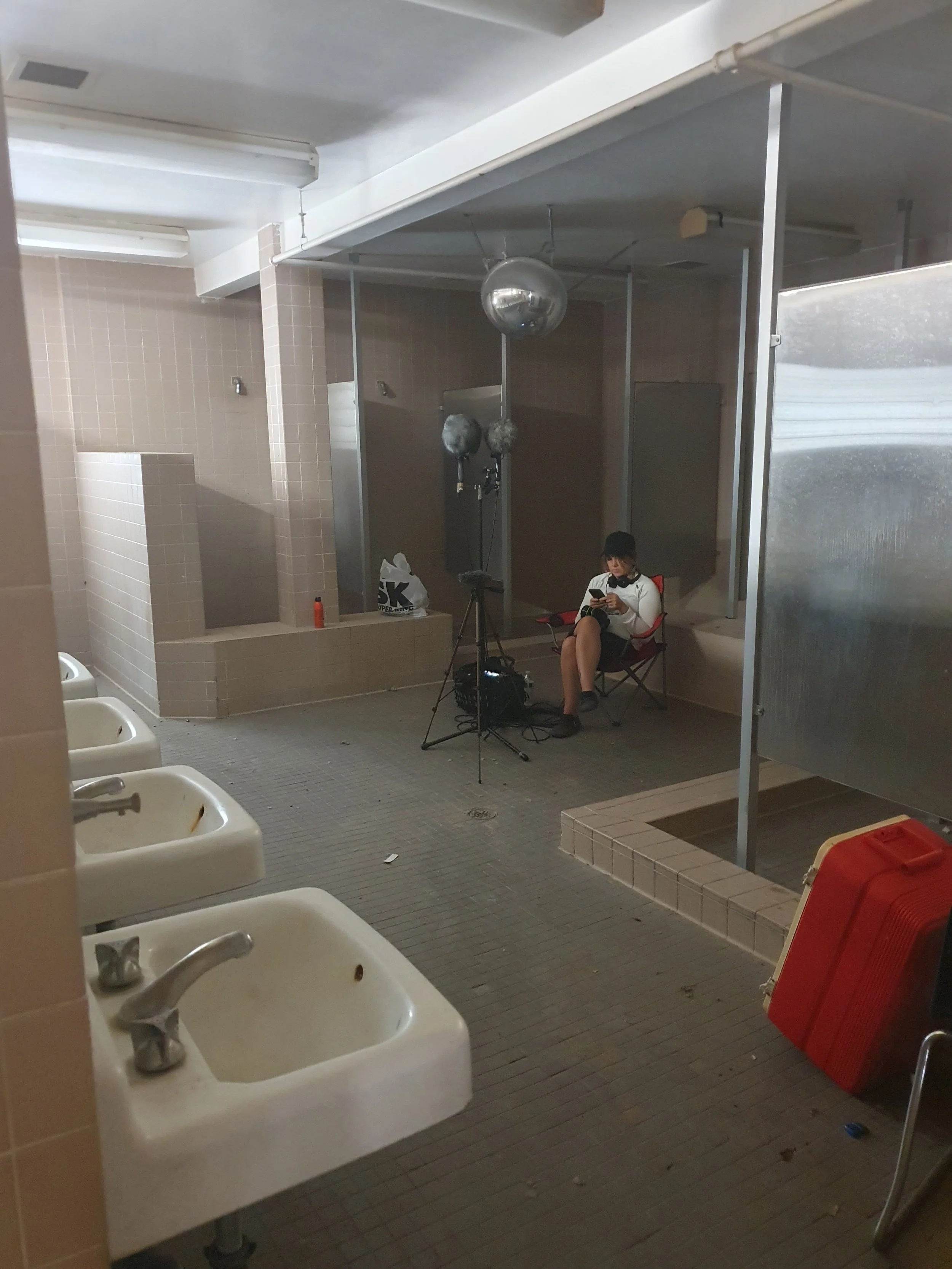
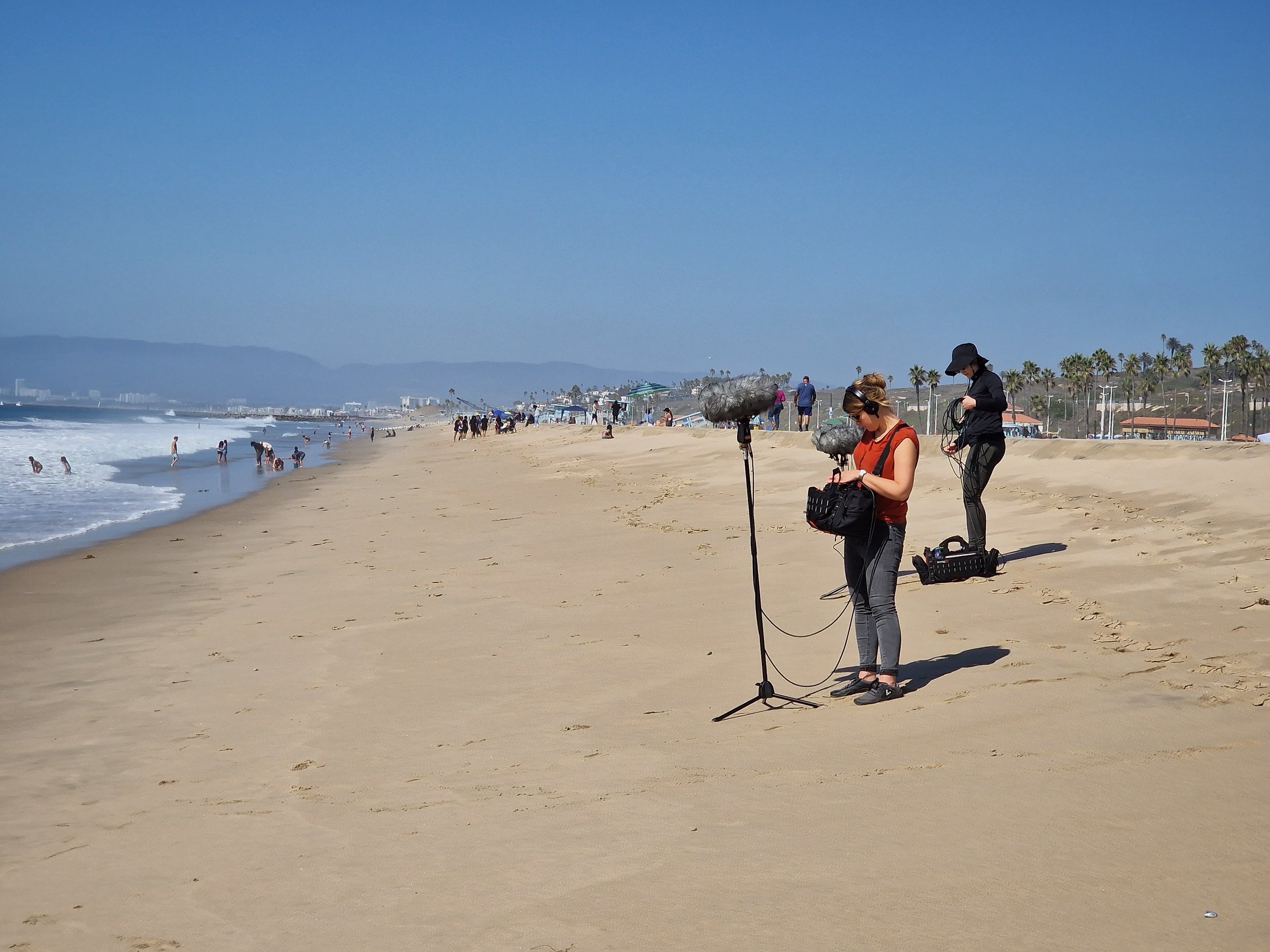
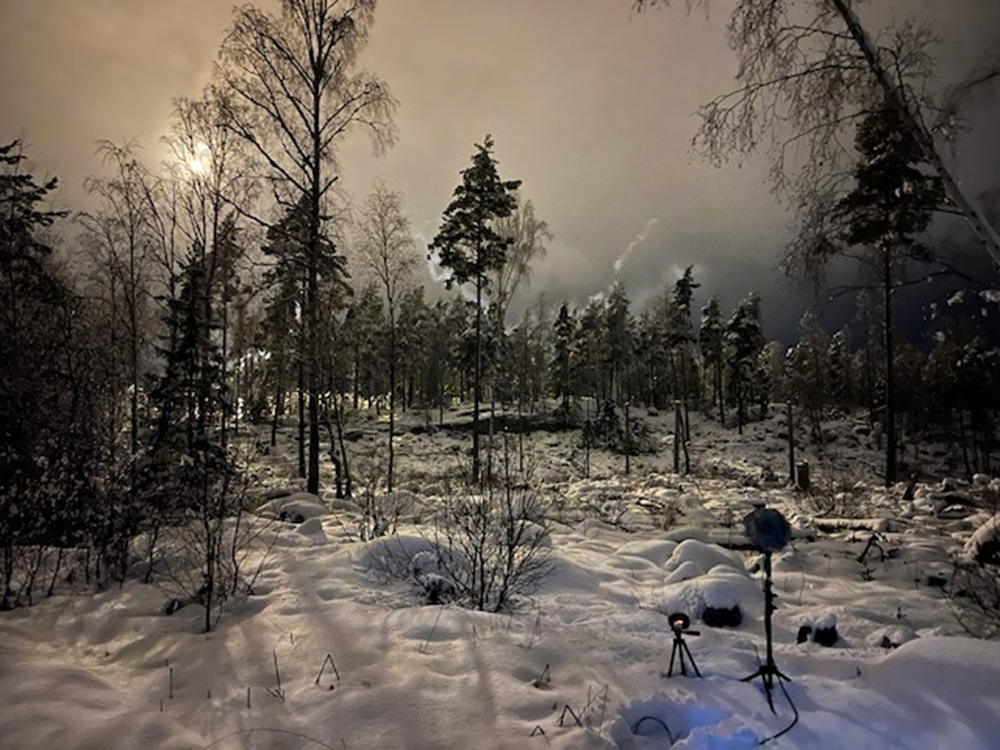
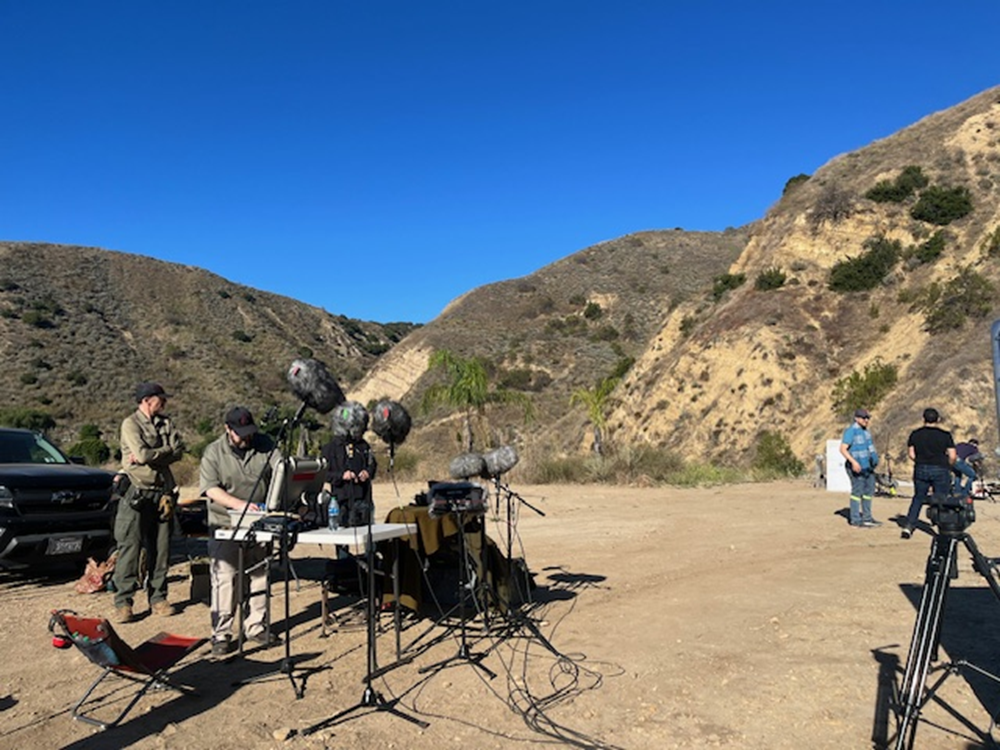
These sessions also bring our team closer together. They help us understand not just the sounds we’re chasing, but how we perceive them as individuals. That awareness makes us stronger and more unified as a creative team. That's also part of what makes DICE so special to me, beyond the incredible creative challenges, are the people. I’ve been fortunate to work with, and continue to work with, some of the most passionate, curious, and talented individuals in the industry. Everyone brings their own voice, their own way of hearing, and that’s what keeps it inspiring. We push each other to be better, and to try new things. It’s that collaboration, that shared drive of voices, that makes DICE home.
My role as a Senior Audio Director, my role is to help shape that voice and guide it forward. I support and mentor the team, making sure they have what they need to deliver world-class audio on time, on budget, and with heart. Together we craft a raw, gritty, and believable sounding experience for our players. That means setting a clear direction for the soundscape early on, and then holding and evolving that direction throughout production. I collaborate closely with other Directors and Audio Directors across Battlefield Studios, to ensure we’re aligned as one audio team with one shared vision. A big part of my work is also strategic, working with production and creative leadership to flag risks, changes, or new opportunities so that the audio team can stay focused on doing their best work.
And, of course, I play the game. A lot. Staying hands-on helps me keep a holistic view of the soundscape and the mix, and helps ensure that every detail lands just right for the player.
I am so excited for the future of Battlefield, especially now that we launched Battlefield 6 and REDSEC and get to share that game with the world. There is so much passion, dedication, and craft poured into making this game, and to hear how well players respond to what we have crafted is amazing. For me, however, the work is never done. There’s always something to improve, to evolve. And that’s the thrill of it. We’re just getting started!